



Organizing people that experience pesticide exposure as an occupational hazard to demand safer, healthier environments. We provide training and other support to workers and their families.
NCAP supports healthier environments for people who work with or near pesticides for their jobs, including farm workers, landscapers, and grounds keepers. We help employees access information and continued education and training opportunities to do their jobs safely. We seek a future where workers can advocate for safety improvements and alternatives to toxic pesticides without fear of retaliation, and where medical professionals are better equipped to diagnose and treat those who are exposed to pesticides.
Long term vision: Pesticide applicators, handlers and agricultural workers have access to the required information, training, education, and PPE necessary to do their job safely and without experiencing pesticide exposure. NCAP builds a network of workers confident in advocating for alternatives to toxic pesticides in the workplace and become voices for change at the state and federal levels.
Current Projects
Age-appropriate language and resources added to Farm Worker Education
With the objective of fostering climate resilience and literacy among youth, NCAP developed different age-appropriate resources to distribute during our workshops and community events. These coloring sheets are accessible for children and families and are a way to share important health and safety information in multiple languages.
Radio program “Raíces Resilientes: Voces del Campo”
Our biweekly Spanish language radio show airs every other Tuesday since late 2023, where we’ve hosted over 40 interviews with different experts in topics like pesticide exposure, environmental justice, climate crisis and community health.
New Spanish language landing page for hispanic audiences
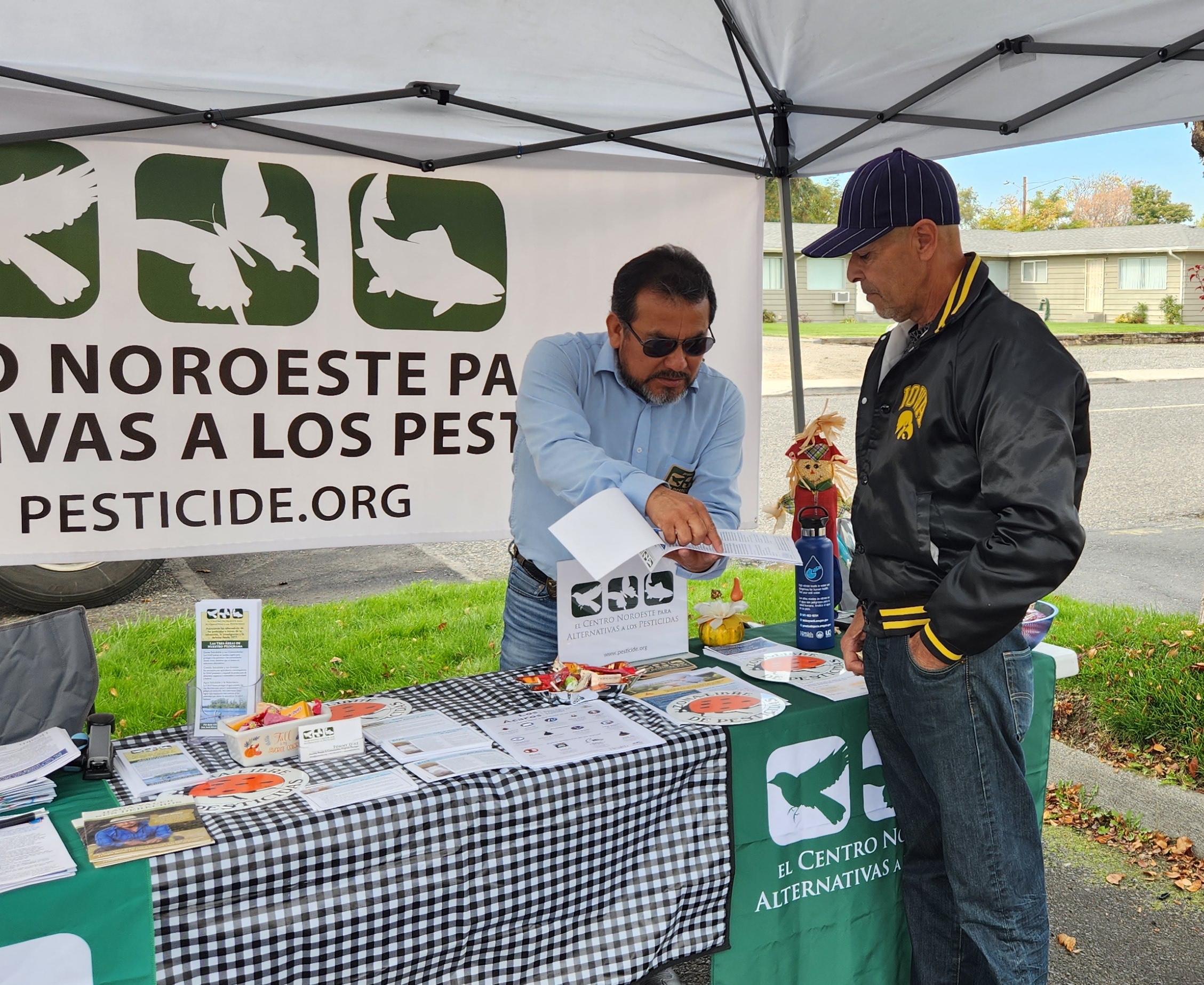
In line with our efforts to make NCAP a more inclusive organization, we’re redesigning our Spanish website to make it more accessible and culturally relevant for the communities that we serve. This landing page will be easily digestible and present useful resources that are also available at our in-person outreach events.
Expanding the Farm Worker Education Project into Washington
In the recent past NCAP has slowly begun an expansion of our bilingual programs into Washington State. With help from local partner organizations, we’ve been able to bring our Spanish language resources and education to Latinx communities north of the Columbia River Gorge. We hope that future funding will help continue this expansion.
Past Projects
Joining Legislative efforts for Food For All Oregonians
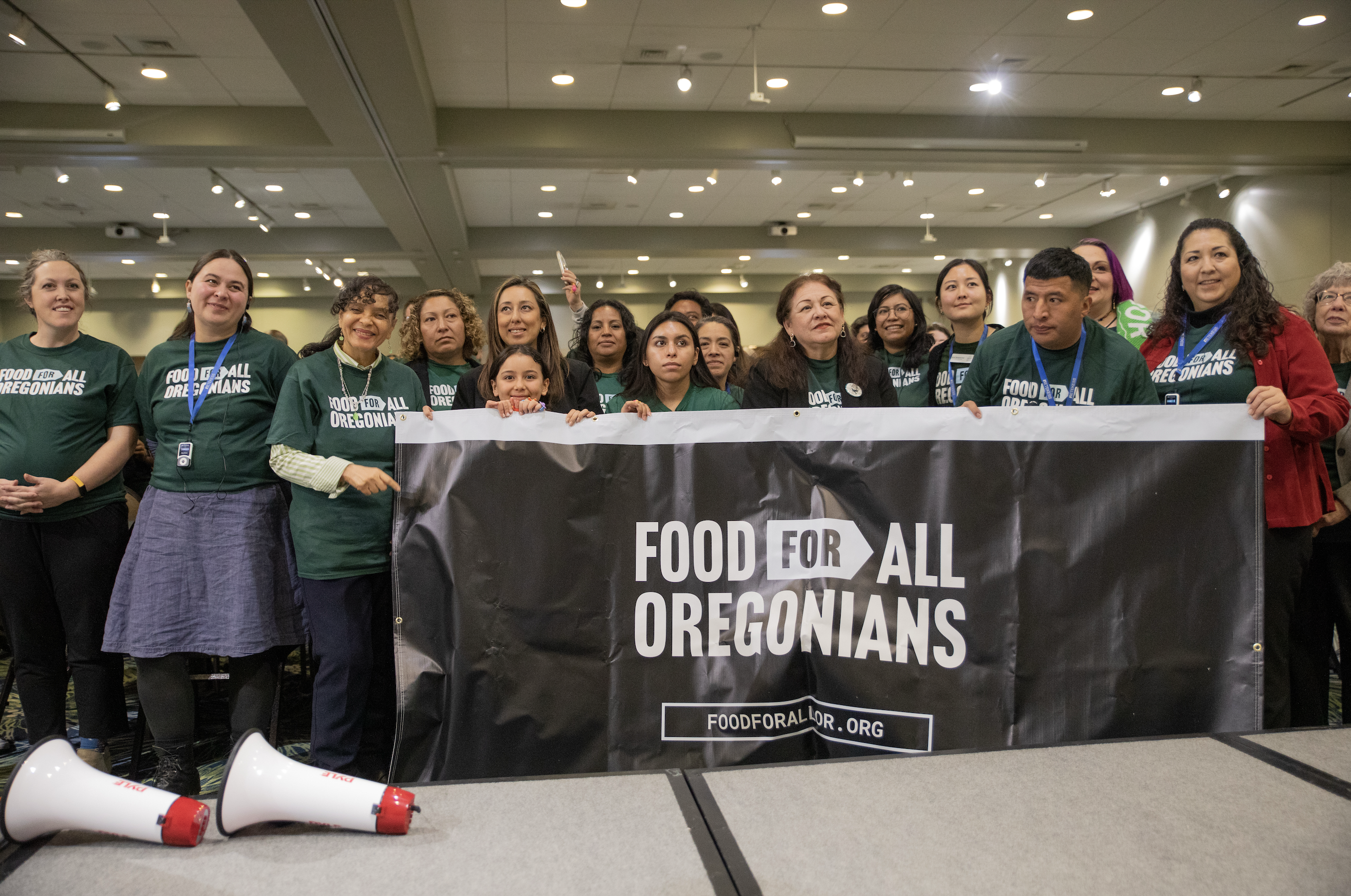
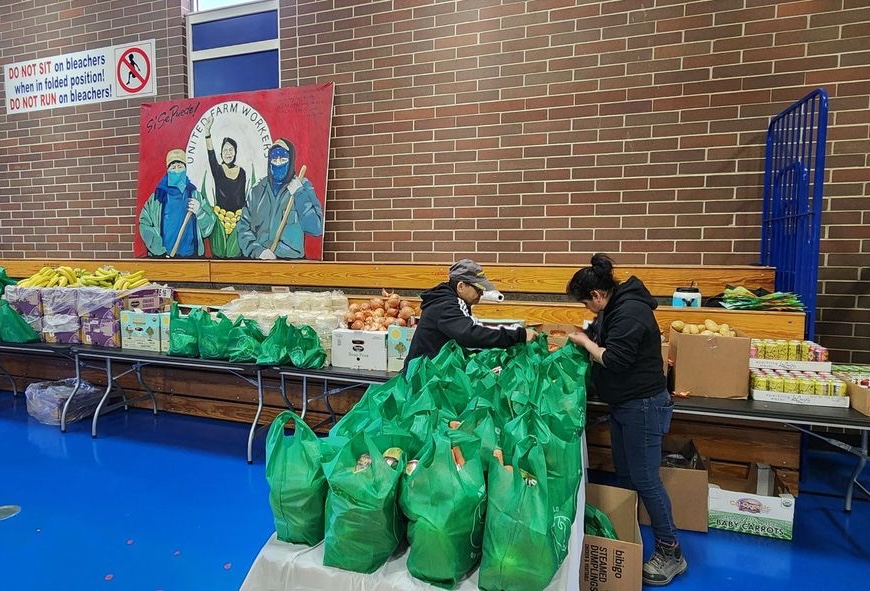
NCAP has been an important part of Oregon Food Bank’s Food For All Oregonians legislative efforts, bringing food insecurity education to the communities we serve. Despite the challenges that come with securing equitable food access for all, our commitment to giving healthy food access to all Oregonians persists.
Meeting with OR Governor to address groundwater contamination
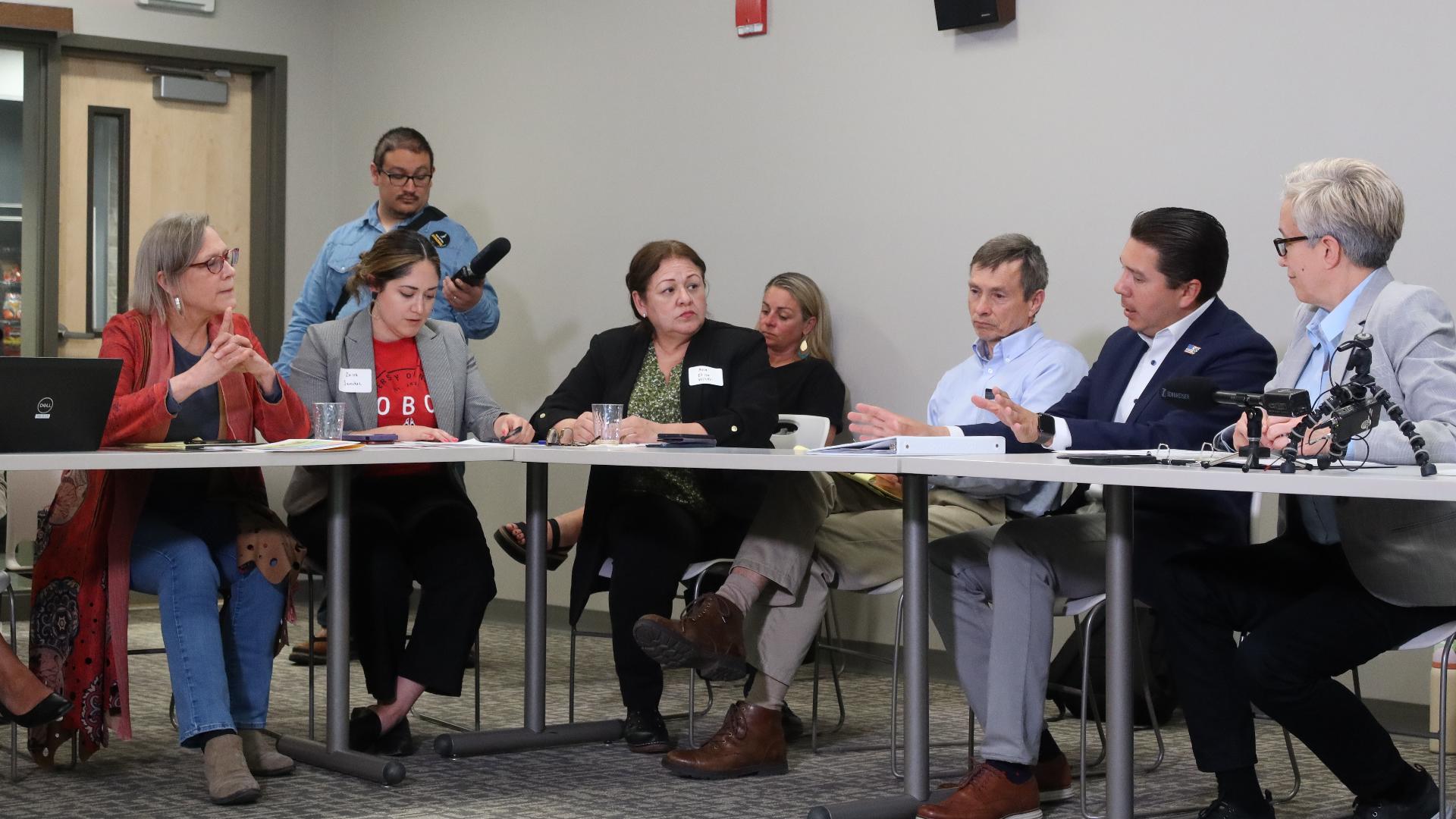
Last year NCAP’s bilingual programs staff member Ana Elisa Wilson, along with a coalition of CBO’s, met with Oregon Governor Tina Kotek. This meeting was intended to demand official action regarding the long-standing issue of high concentration of nitrates in well water in Morrow and Umatilla counties. NCAP continues to be a part of this project, bringing clean water and groundwater contamination education to affected communities in these Central OR counties.
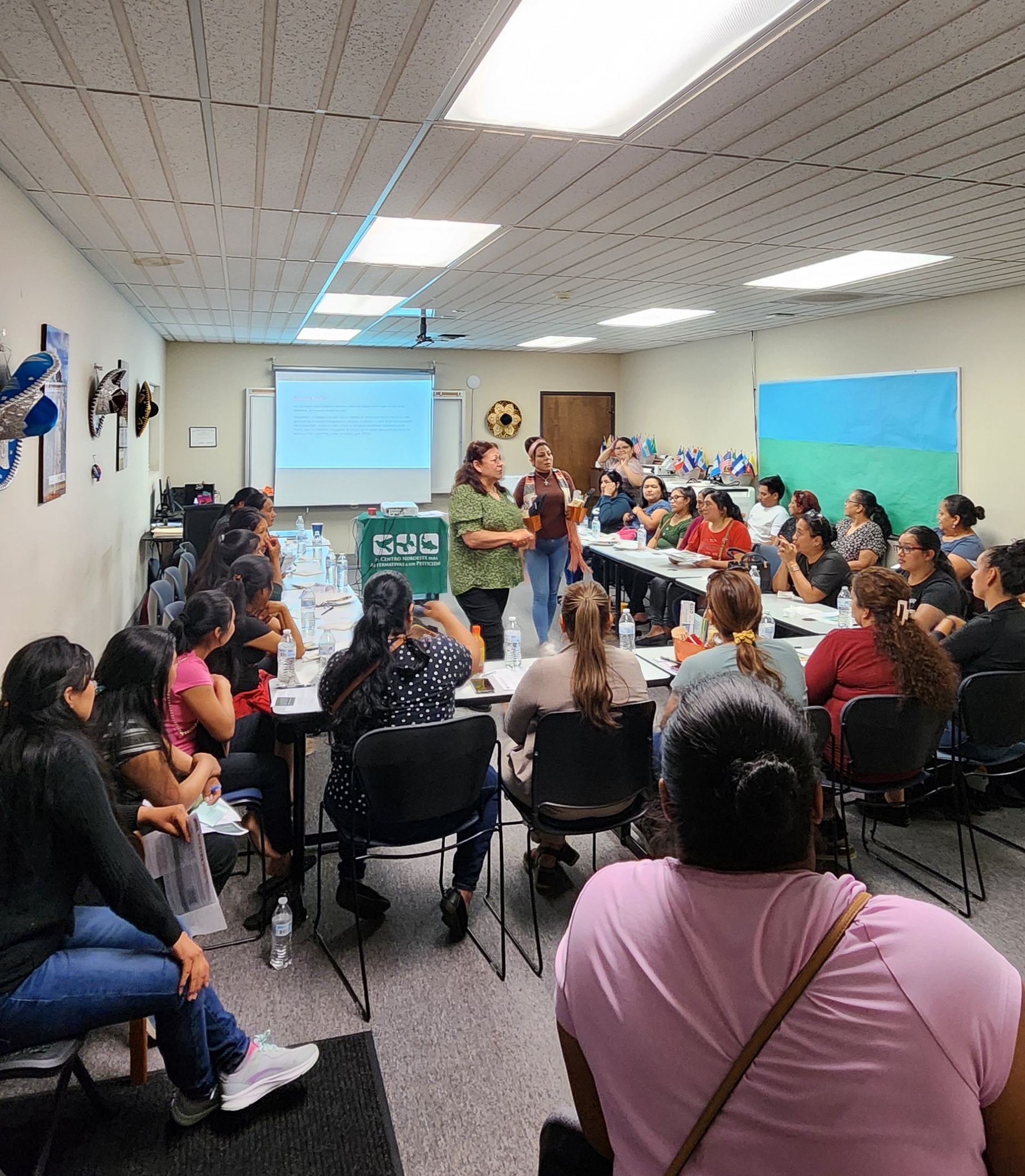
Health education at our Pláticas Participativas
One vital aspect of NCAP’s Farm Worker Education Project is our in-person contact with the communities we serve. Our Pláticas Participativas have been a wonderful space for Latinx folks to learn about staying healthy and safe while working in agriculture. We also offered live interpretation into Maya mam, which made a real difference for guatemalan communities.
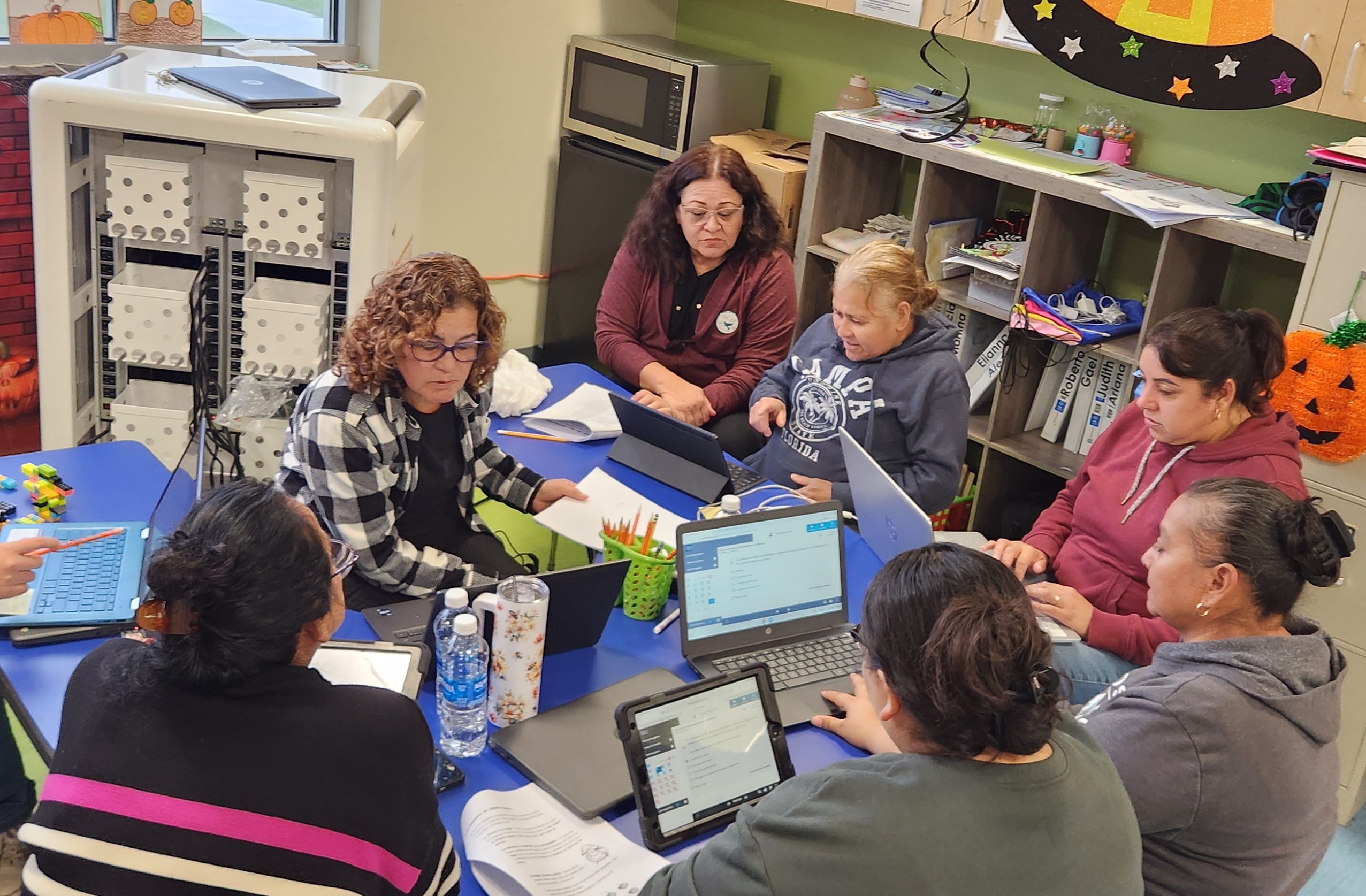
Study group for Food Handlers’ card
In partnership with Morrow Health Department, NCAP developed workshops that served as study groups for participants to prepare to take the food handler’s test in Spanish. Attendees also learned about food access and the importance of food hygiene as well. This was a part of Oregon Food Bank’s FEAST (Food, Education, Agriculture, Solutions, Together) project.
Do you like this page?