



Reducing pesticide use to protect salmon, pollinators, and drinking water in the Northwest. We support landscapers, nursery growers, municipalities, schools, and communities with training, tools, and policy advocacy for safer, pesticide-free land care.
The Wildlife and Water program is focused on reducing pesticide use to protect rivers, streams, wildlife and communities that depend on them. At its core, the program combines practical education, community outreach, and science-based advocacy to help people shift toward safer, more sustainable land care practices. We work directly with landscapers, municipalities, schools and community residents to provide tools and training for pesticide-free yards and public spaces. We also run public campaigns which highlight the connection between everyday lawn care choices and the health of Puget Sound and other Northwest waterways.
Policy advocacy is another key piece of the program. Through comment letters, testimony, and participation in roundtables, we bring science and community voices to the table to push for stronger protections. At the same time, we conduct and create technical literature reviews, factsheets and outreach materials that strengthen NCAP’s role as a trusted resource on pesticide alternatives. Through this program, landscapers, nursery growers, municipalities and schools across the region have adopted new practices, communities have greater access to resources, and pesticide use has been reduced in ways that directly benefit salmon, pollinators, and drinking water sources.
Current Projects
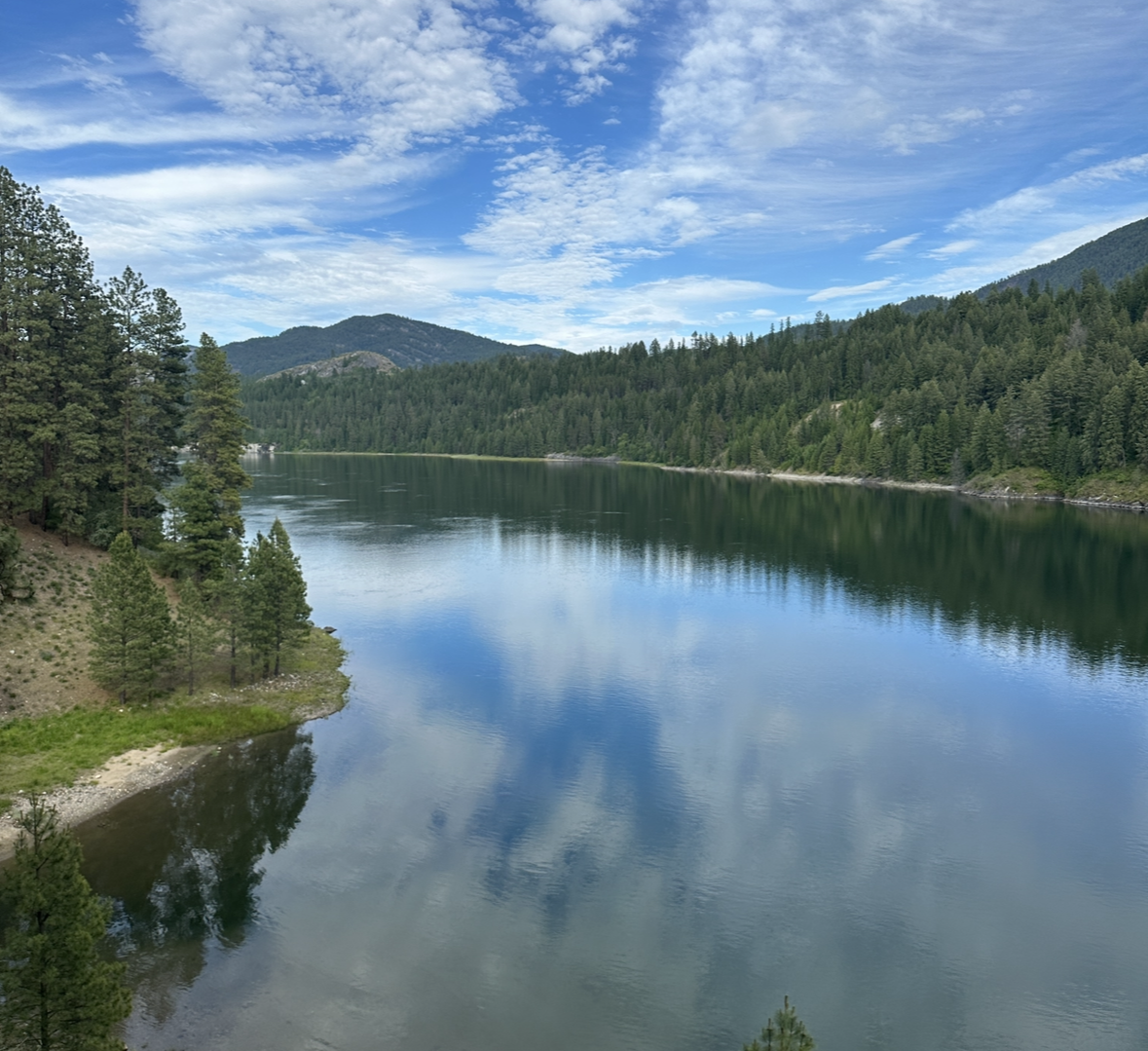
A Pesticide-Free Citizen Science Prevention Approach to Protecting Washington's Columbia River Basin Waterways
NCAP launched this targeted outreach campaign to reduce pesticide pollution and prevent the spread of aquatic invasive species in the Washington portion of the Columbia River Basin. This project served as a bridge between underserved communities including Spanish-speaking residents and Native tribes and the broader national Clean, Drain, Dry (CDD) campaign. The campaign focused on equipping these community recreationists with culturally relevant educational materials and simple tools to prevent the need for toxic treatments like copper-based pesticides. Through partnerships with tribal departments, local businesses, volunteers, and trusted community organizations, NCAP distributed 777 bilingual resource packets across 45 locations in Washington's Columbia River Basin. Each packet included: a trifold Clean, Drain, Dry rack card in English and Spanish, a bilingual CDD sticker and a QR code linking to NCAP’s Healthy Wildlife & Water webpage with additional tools and information from the broader campaign in Washington.
NCAP initially planned to reach people through public events, but due to cancellations, pivoted to a targeted delivery strategy by hand-delivering resources at fishing access points, tribal buildings, marinas, and other community-serving hubs. To extend the campaign’s reach, NCAP also produced and shared a short educational video across social media, helping connect more residents to pesticide-free prevention practices. This campaign reflects NCAP’s continued commitment to environmental justice, clean water, and empowering local communities with knowledge and tools to protect ecosystems and prevent the spread of invasive species. A Pesticide-Free Citizen Science Prevention Approach to Protecting Washington’s Columbia River Basin Waterways was provided by the Columbia River Fund, a grantmaking fund created by Columbia Riverkeeper and administered by the Rose Foundation for Communities and the Environment.
View resources from this project below:
Washington Department of Fish and Wildlife - Clean, Drain, Dry
Resources in Spanish - NCAP Website
Engaging Central Washington State Farmworkers and Health Professionals around pesticide drift and health impacts
This project aims to address the urgent environmental justice issue of pesticide drift in Central Washington by reducing farmworker exposure and related health risks. Through bilingual community education and resources, health professional training, and coalition-building, NCAP will equip farmworkers with tools to protect themselves and advocate for safer working conditions. It will also enhance the capacity of health providers to recognize and treat pesticide-related illnesses. Targeting Central WA counties, the project focuses on Latinx farmworker communities disproportionately affected by environmental health disparities.
Pesticide-Free Yards for Cleaner Water: A Homeowner’s Guide for East Multnomah
This project aims to produce bilingual (English/Spanish) homeowner brochures for East Multnomah County that promote safe, effective alternatives to pesticides in lawn care. The brochures will provide practical tips to help families maintain healthy yards while protecting community health and local waterways.
Past Projects
Protecting Washington's Waters: Policy Advocacy, Community Outreach, and Invasive Species Prevention
With support from the Horizons Foundation, NCAP advanced its Wildlife and Water Program by advocating for stronger pesticide regulations, building strategic coalitions, and promoting water-protective practices across Washington State. Key outcomes included opposing legislation that threatened water quality, supporting a new law restricting residential neonicotinoid use, and laying the groundwork for long-term aquatic invasive species prevention through the Clean, Drain, Dry campaign. The grant also supported NCAP’s participation in the EcoPRO Sustainable Landscaping Steering Committee, where efforts focused on equitable access to water-safe landscaping practices for Spanish-speaking professionals. Together, these efforts contribute to a healthier future for Washington’s waterways, wildlife, and communities.
Water Stewards Central Puget Sound: Promoting Chemical Free Pest Management to Improve Water Quality
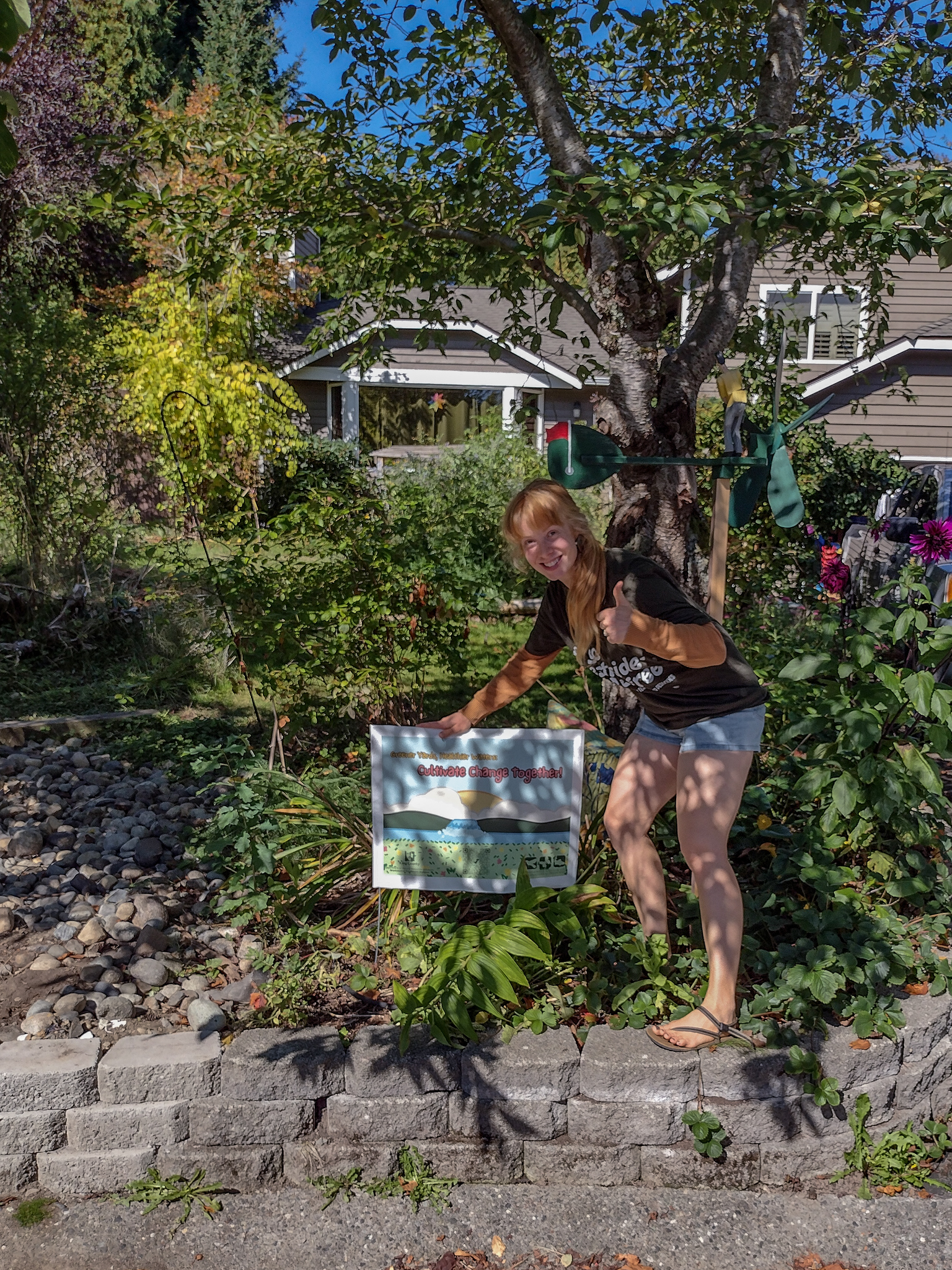
With 3 years of support from the King County Wastewater Treatment Division, our Wildlife and Water Program promoted chemical-free pest management to protect Puget Sound’s water quality. We trained 29 nursery growers in sustainable plant production, distributed an Integrated Pest Management (IPM) guide to 26 schools, and empowered 143 residents through our Water Stewards program to adopt safer lawn care practices. This project helped reduce pesticide use, safeguard local waterways, and foster a more environmentally conscious community.
Raíces Resilientes & Food for Thought: A Multimedia Approach to Pesticide Justice
With support from the Oregon Country Fair Jill Heiman Vision Award, NCAP Wildlife and Water introduced its Food for Thought social media campaign, featuring real farmworker testimonies to raise awareness of pesticide harms in Oregon agriculture. The campaign focused on chlorpyrifos in strawberry production and diazinon in cherry farming, reaching hundreds through bilingual posts. The existing radio show Raíces Resilientes: Voces Del Campo helped amplify the campaign’s reach, engage farmworkers, and deepen community dialogue on pesticide safety and environmental justice. Together, these efforts elevated marginalized voices and promoted safer agricultural practices.
The social media outreach showed promising engagement, with the strawberry post reaching 222 Facebook accounts (view post) (2 shares) and 233 Instagram accounts (view post) (24 shares). The cherry campaign performed even better, reaching 413 Facebook accounts (view post) (5 shares) and 400 Instagram accounts (view post) (11 shares).
Assessing Avian Risks: A Review of Pesticide Impacts on Wild Birds in California Agriculture
With support from Wild Farm Alliance, NCAP Wildlife and Water conducted a comprehensive literature review examining the effects of 109 pesticides—both conventional and organic—used in California agriculture on wild bird species. This project helps illuminate the ecological risks these chemicals pose to avian health and biodiversity, offering a science-based foundation to guide more bird-friendly pest management practices on farms.
Do you like this page?