


Purple Sage Farms and Northwest Center for Alternatives to Pesticides go together like pesticide-free peanut butter and locally-made jelly. Let’s take a trip down memory lane:
-
In 2015 we partnered to install a native-plant hedgerow (with Xerces Society)
-
In 2016 we awarded them the Rachel Carson award
-
In 2021 Purple Sage co-founder Tamara Sloviaczek joined NCAP’s board
-
3 months ago Tim Sommer was the keynote speaker at the Grower’s Own Organic Farming conference
-
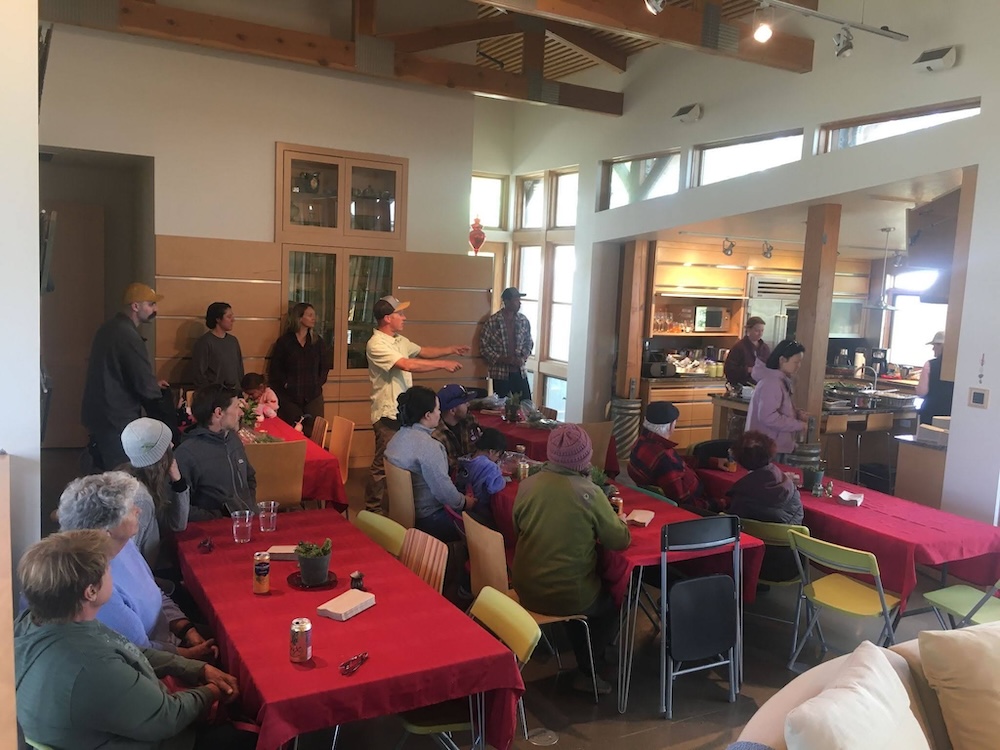
And now, we had a lovely farm tour and locally-sourced lunch on their little slice of paradise in Middleton the week after Mother’s Day
This slice of paradise mainly consists of: a packhouse, 12 large greenhouses, a couple acres of outdoor growing, and 45 acres of certified Organic pasture. We started the tour off in the packhouse, hiding away from some wild wind whipping over the farm and munching on a smorgasbord of herbs grown on the land: mint, sage, and edible flowers to the delight of many of the munchkins we had running around. We got to see the shining stainless steel of their commercial kitchen, the chill of the walk-in cooler, and then we were off to the greenhouses.
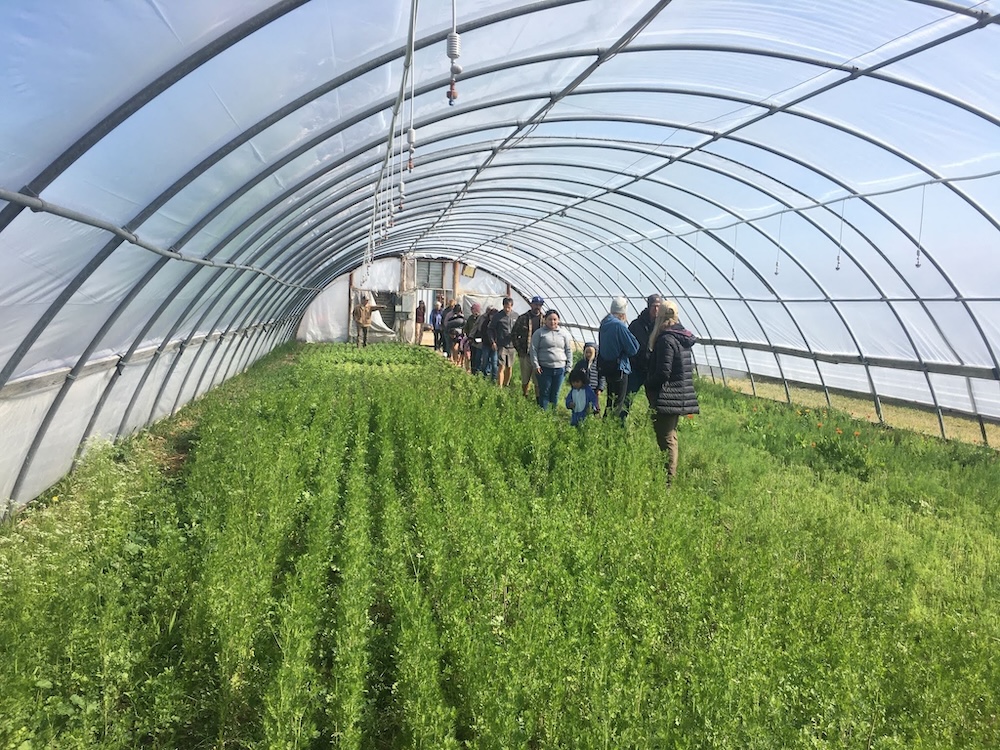
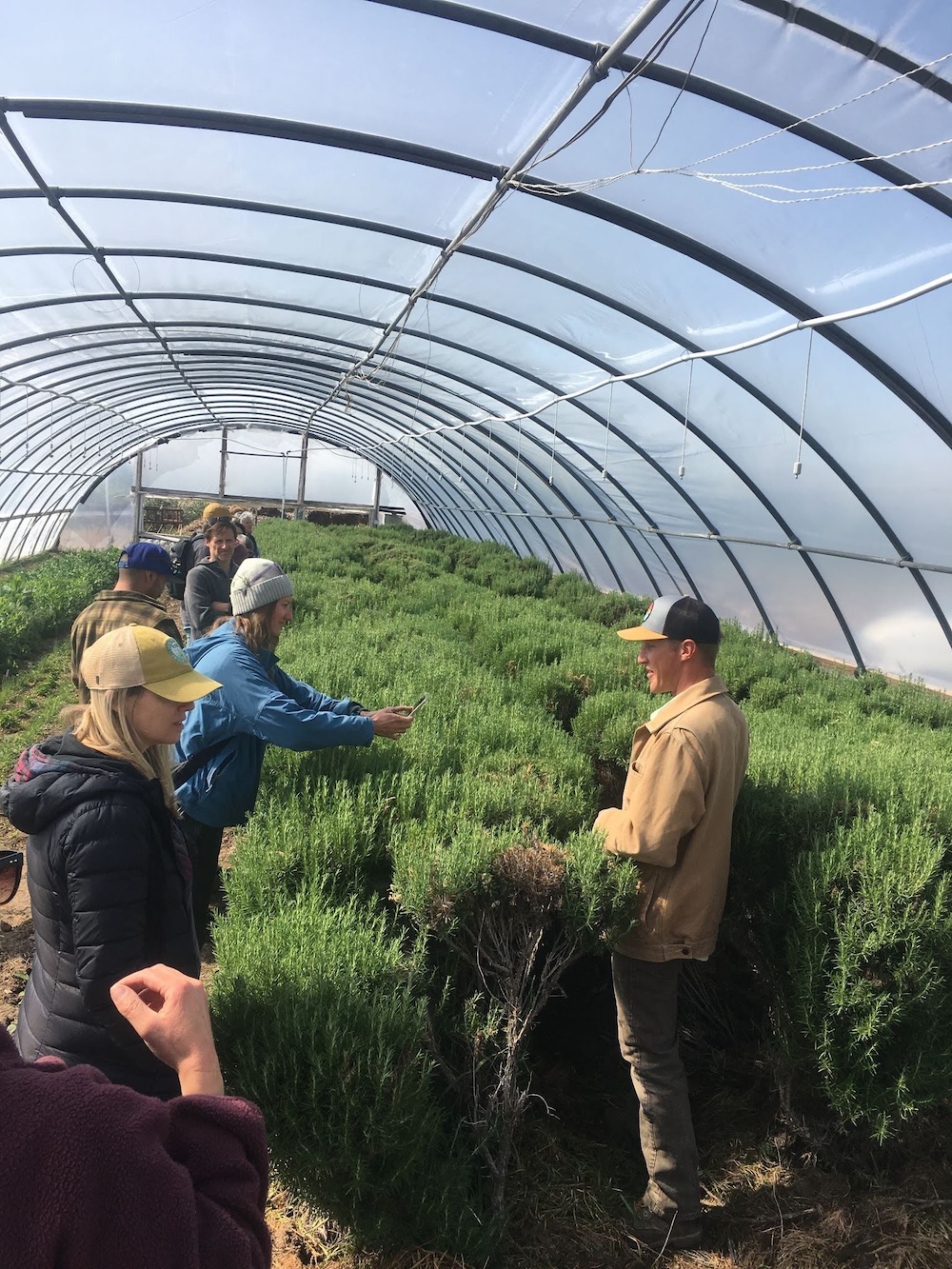
Each greenhouse was like it’s own little universe, stepping into something special and wonderful behind each door: one is full of gorgeous edible flowers, one is full of luscious salad greens, and then the herbs: rosemary, basil, dill, and cilantro all getting most of a greenhouse to themselves (and smell lovely!).
But how is this maintained sustainably? How do they deal with weeds without pesticides?
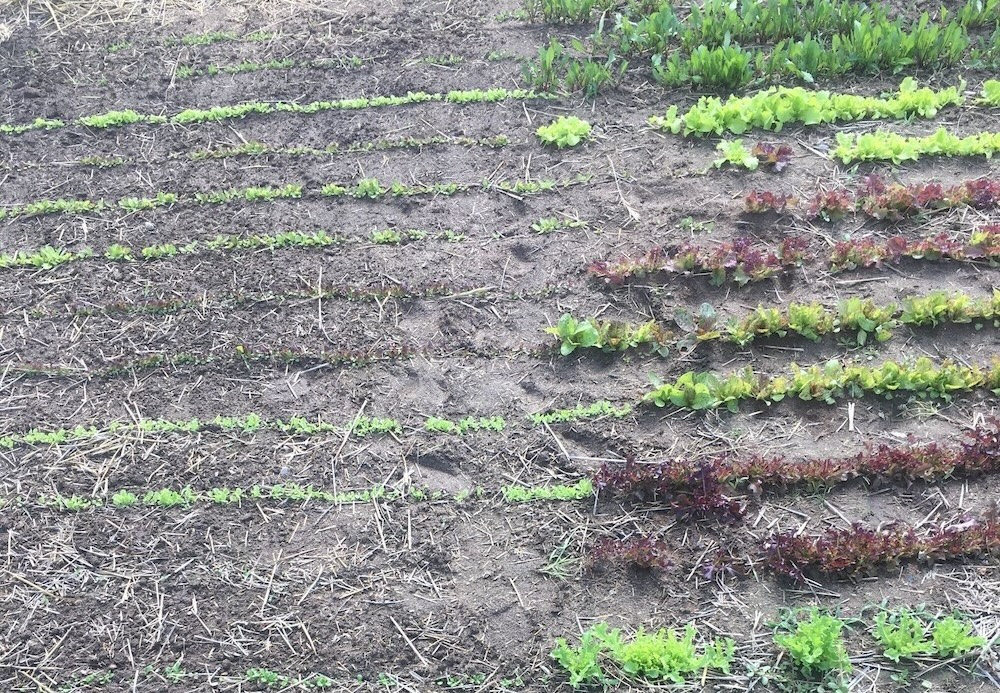
What they do in the greenhouses: when an annual crop is not harvestable anymore and they're ready to move on to the next crop, they mow it close to the ground, cover it with multiple layers of black plastic tarps, and leave it on for 1-3 months depending on the season (faster time in the warm season). During the 1-3 month period, all the soil biology eat the chopped up plant matter and turn it into soil and nutrients. On top of these benefits, the weed seeds germinate while the tarp is down, but since there isn't any light, they die and this process reduces the weed seeds in the bed for the subsequent crop. When they are ready to plant, the plastic is folded back, a shallow one inch deep hoeing is done (to kill perennial weeds), then the next crop is seeded, and the whole beautiful cycle starts over. This practice doesn’t need any pesticide or tilling, making it more sustainable and also saving the farm input costs as well as labor hours.
They don’t pull back the tarp all at once, they will roll it back and plant the newly exposed soil in sections. This is done so that when one group of plants has been harvested fully, the next is getting just mature enough to start harvesting. This is a technique called Succession Planting, that ensures you always have something to harvest and bring to the farmers market at every moment.
Not only are they sustainable in their weed management, they are increasing their sustainability in their watering. Purple Sage had a new overhead watering system installed in their greenhouses, thanks to financial support from Boise Coop’s Local Partner Fund. This system is much more automated and much more efficient leading to some great savings:
-
400+ Hours of Labor Saved
-
1 Million Gallons of Water Saved
-
5,500 Kilowatt Hours Saved
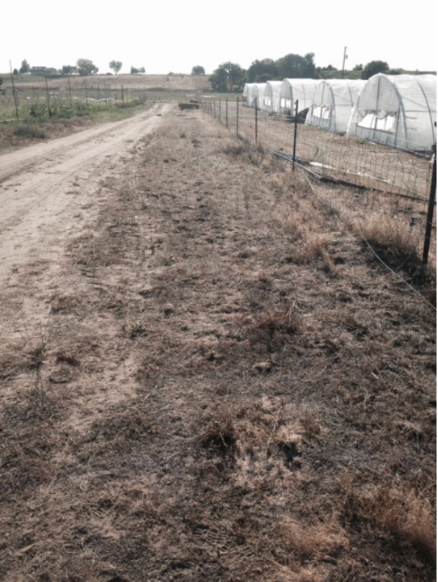
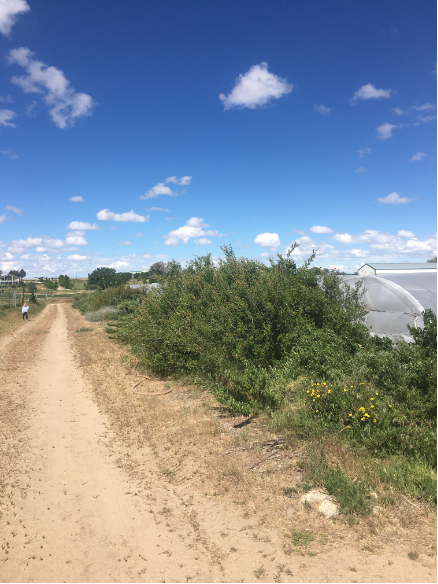
As we walked from the greenhouses to the pasture, we passed by the pollinator hedgerow NCAP helped plant over a decade ago. Mike stopped the tour and praised us with words so grand it would make me blush to rewrite them here, he’s too kind. And then he rattled off about a dozen names of native plants in the hedge from memory: Biscuitroot, Bitterbrush, Rubber rabbitbrush, Snowberry, Whorled buckwheat, Globemallow, Rocky Mountain penstemon, Showy milkweed, Hoary tansyaster, and more!
To see how well it’s done, here's a photo of the hedge right before planting in 2015, and a photo I took at the tour:
 |
 |
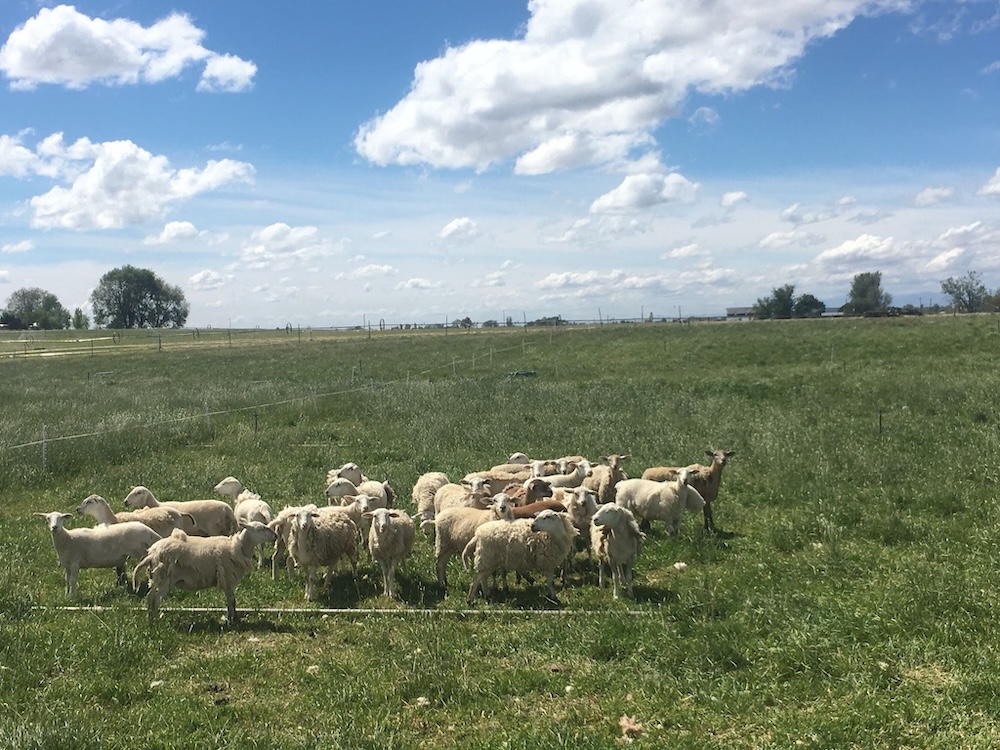
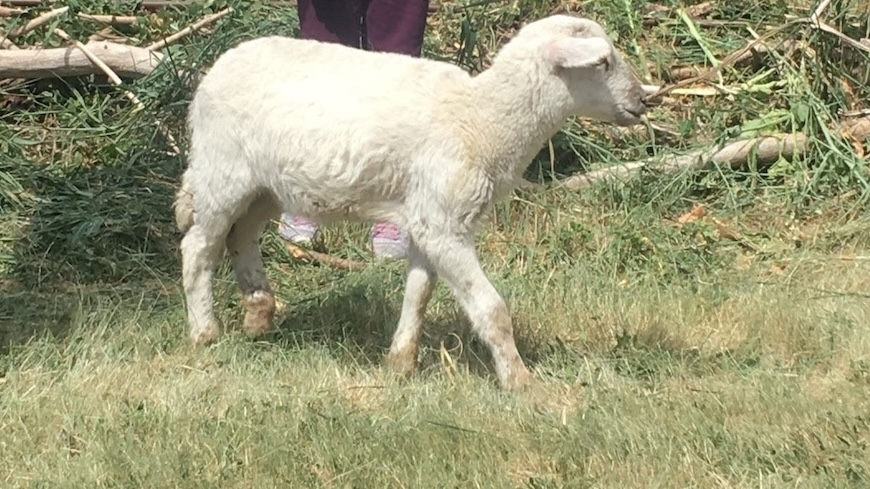
Out on the pasture, Purple Sage Farms uses the sustainable practice of Rotational Grazing. There are several fenced off paddocks that the sheep will spend a short amount of time on, this allows the pasture to be used to feed sheep without being overgrazed, and can also be a powerful tool for soil creation. They move the animals regularly and grow taller grasses so the sheep don't swallow snails that are parasite vectors. Parasites hatch from manure, so a long rest from the pasture allows parasites to complete their life cycle without the sheep being present while the manure helps grow healthier grass and break down into soil.
As an added plus, the sheep are cute and the lambs are super DUPER cute!
And lastly, we had a superb lunch of locally grown food and cooked by the family that runs Purple Sage. Some succulent slow cooked meats, a beautiful pot of perfectly seasoned beans and mushrooms, two giant delicious salads, sauerkraut that is starting to be produced on farm, and some delicious herbed sauces to put on top of it all.
We had roasted pork shoulder from Riverstead Farm covered in herbs and a braised herbed beef brisket from Malheur River Meats. We also had some rice with habanada peppers and garlic. A delicious pot of local beans and mushrooms from King’s Crown Organics and Ferg's Fabulous Fungi respectively. Gourmet Salad with edible flowers from the farm we just toured, as well as a very herby, homemade Green Goddess salad dressing. We had to choose between this salad and a seasonal and flavorful radish and pea salad with purslane, herbs, spring onions, pea shoots, celery, and turnips (ingredients from our farm as well as Peaceful Belly, Black Fox Farm, Heartbeat Farm, Fiddler's Green Farm). We also had sauerkraut from Longsummer Foods (who produces in the commercial kitchen on the farm), a homemade chimichurri with ingredients from the farm and Heartbeat Farm, and homemade gluten-free/dairy-free Lemon Bars with edible flowers from the farm and eggs from Little Cow Mountain. Big thanks to all the growers whose ingredients were used! And a big thanks to Jackie, Mike, Tim, Tamara, the kids, and everyone at Purple Sage Farms for a wonderful tour!