



Working with a variety of partners to identify resource needs and host events where important conversations can happen about the future of food. Supporting people passionate about growing food without pesticides.
Expanding organic and spray-free farming is critical to addressing the climate crisis and passing on ecological resistance systems to our children. We work with a variety of stakeholders to remove barriers communities face to accessing culturally relevant spray free foods, whether that’s supporting new farmers, establishing new markets, or pursuing new least toxic alternatives. Our team also provides invertebrate habitat restoration services. We strive to help co-create equitable climate resilient food and fiber local and regional networks that do not rely upon the use of toxic pesticides.
Long term vision: Food that is grown without the use of toxic pesticides is accessible to people of all incomes and communities. People who want to play a role in feeding people are abundantly supported. A focus on soil health and agroecology form a foundation for cross-cultural healing and growth.
Save the Date: The 2026 Grower's Own Conference!
Grower’s Own returns! An Organic Farming Conference for, by, and of farmers!
When: Saturday 2/21/2026
Where: The Center @ Canyon County Fairgrounds (110 S Georgia Ave, Caldwell, ID 83605)
For more information about the event, visit our registration page.
Current Projects
Camas Prairie Restoration
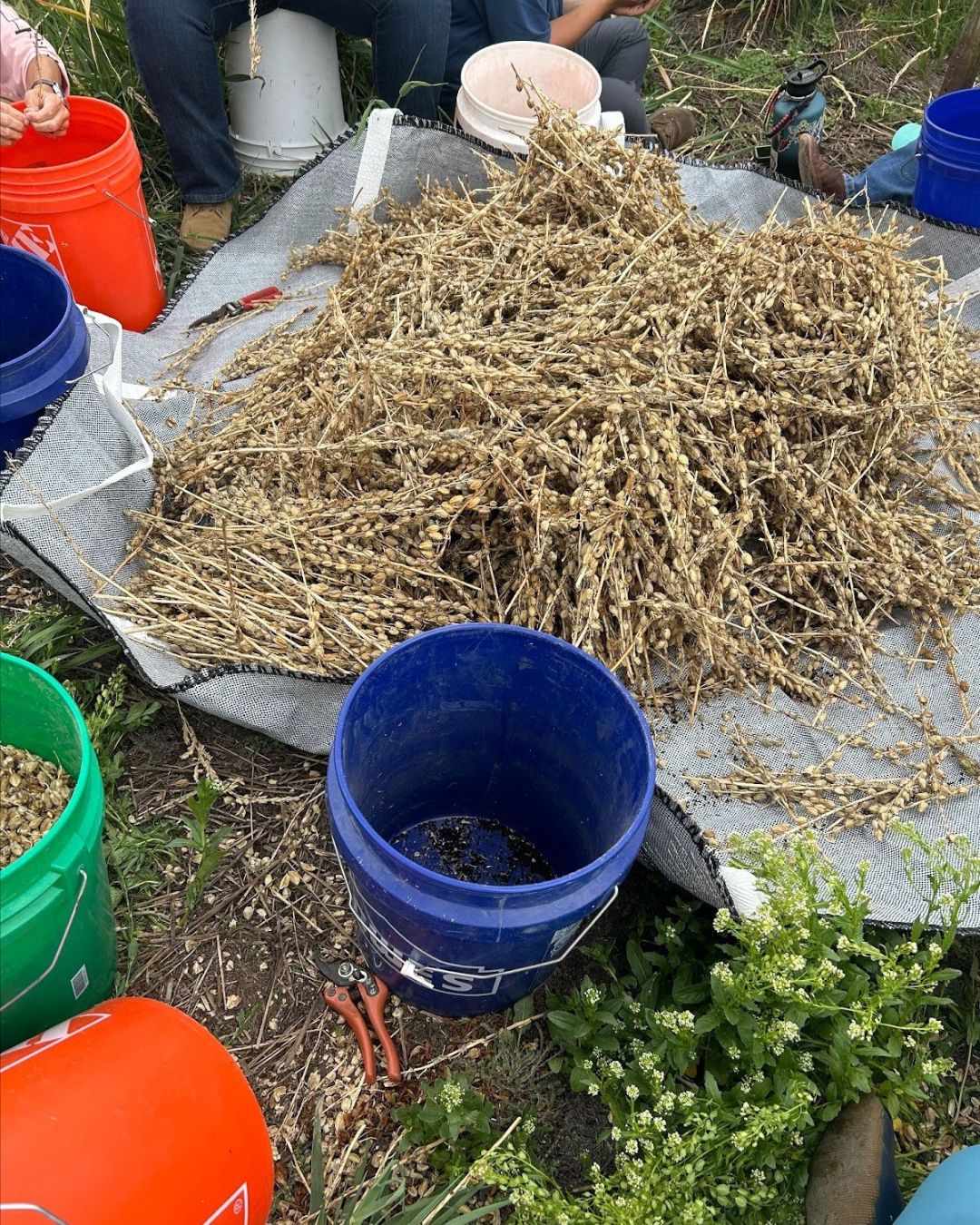
The Camas Prairie Restoration project, in collaboration with the Shoshone-Bannock Tribes, aims to restore culturally significant Camas (Camassia quamash) at the Camas Prairie Centennial Marsh. Garrison creeping meadow foxtail has spread aggressively, threatening diversity and traditional harvesting areas. Our team supports this effort through plant surveys, camas seed collections, and field trials testing non-toxic methods to help camas recover.
Pollinator and Beneficial Insect Habitat
This project helps producers and communities create pesticide-free habitat for pollinators and beneficial insects. Through on-farm planning, technical support, and habitat installations such as hedgerows and insectary strips, it supports agroecological health while reducing reliance on pesticides.
Transition to Organic Partnership Program
Through this project, NCAP provides support for transitioning and organic producers in Idaho. Resources include field days, workshops, webinars, and other educational materials. Topics are developed based on producer feedback to ensure relevance and practical value.
Past Projects
Fort Hall Pinyon Pine Planting
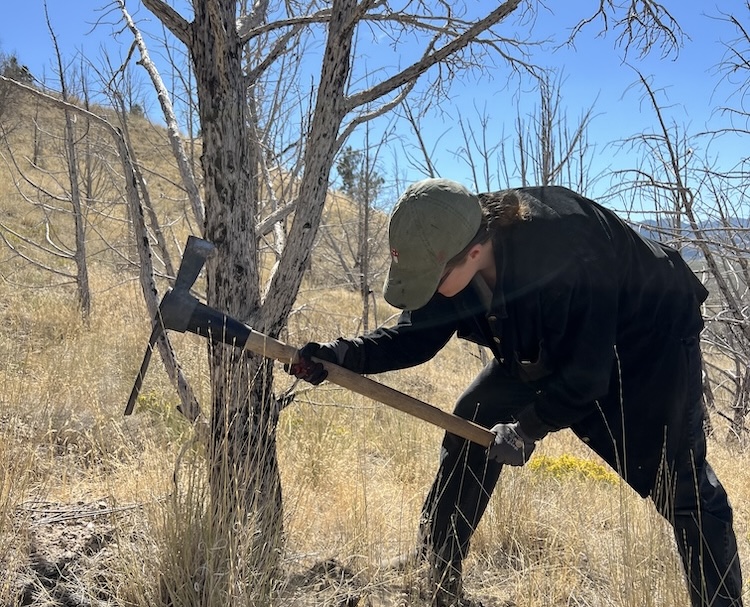
In fall 2024, the Fort Hall Native Plant Project planted 100 pinyon pine saplings and distributed seeds across two sites on Shoshone-Bannock land. With approval from the Fort Hall Business Council, the project supports food sovereignty, cultural restoration, and intergenerational learning by reintroducing pinyon pine which is a traditional food source to the region. Seeds came from New Mexico, Colorado, and a youth-led trip to Idaho’s City of Rocks. Over 60 community members, including Sho-Ban High School students and Tribal knowledge holders, took part in the planting events. (Photo below by Choice Vaughn)
Grower’s Own Conference
The Grower’s Own Conference is an event that NCAP has been hosting since 2012. The goal of the conference is to bring producers, researchers, organic certifiers, and local food advocates together to strengthen the organic movement in Idaho and highlight advancements in organic agriculture.
Project Milpa
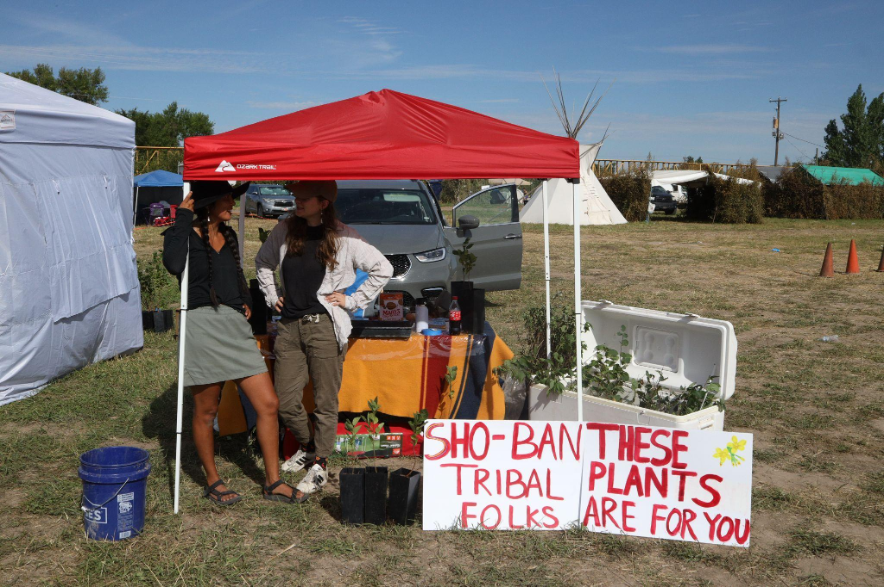
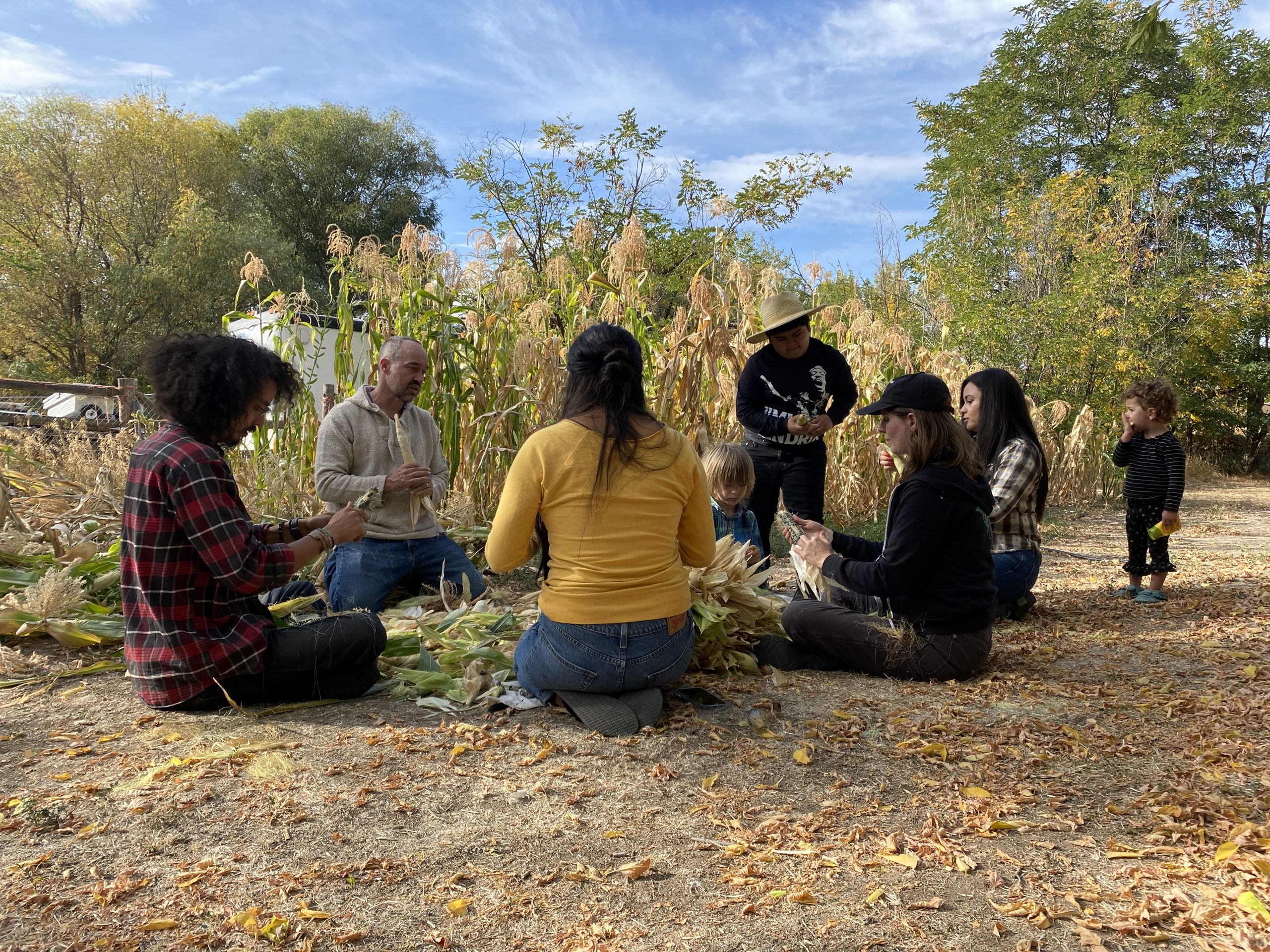
Over 90% of corn grown in the US is genetically modified to withstand herbicide applications. In collaboration with Snake River Seed Cooperative, NCAP started partnering with farmers in Southern Idaho to trial heirloom corn varieties in 2017. NCAP recognizes the cultural importance of corn for many cultures. In 2020 NCAP became a founding organizational member of the Immigrant Resource Alliance in Southern Idaho to do emergency COVID relief, including distributing corn that had been grown in the trials. (Photo below by Megan Carter)
Northwest Hemp
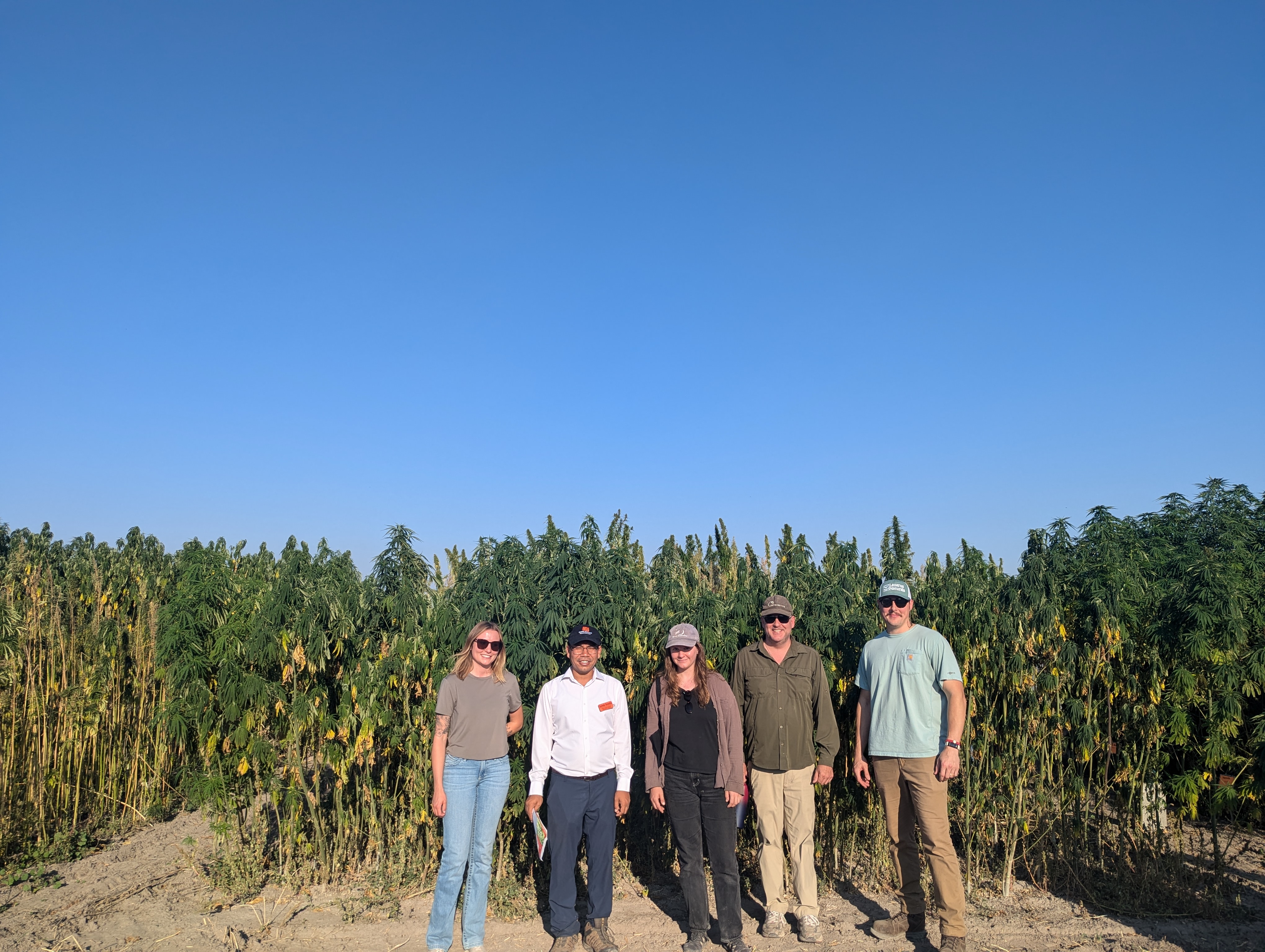
NCAP conducted a needs assessment of pest management needs for hemp farmers in Oregon and Washington in 2018, the same year the Farm Bill legalized growing hemp in the US. NCAP also connected the first extension-type support for hemp growers in Idaho, organizing roundtables and providing support to early adopters.
Failure to Warn Advocacy
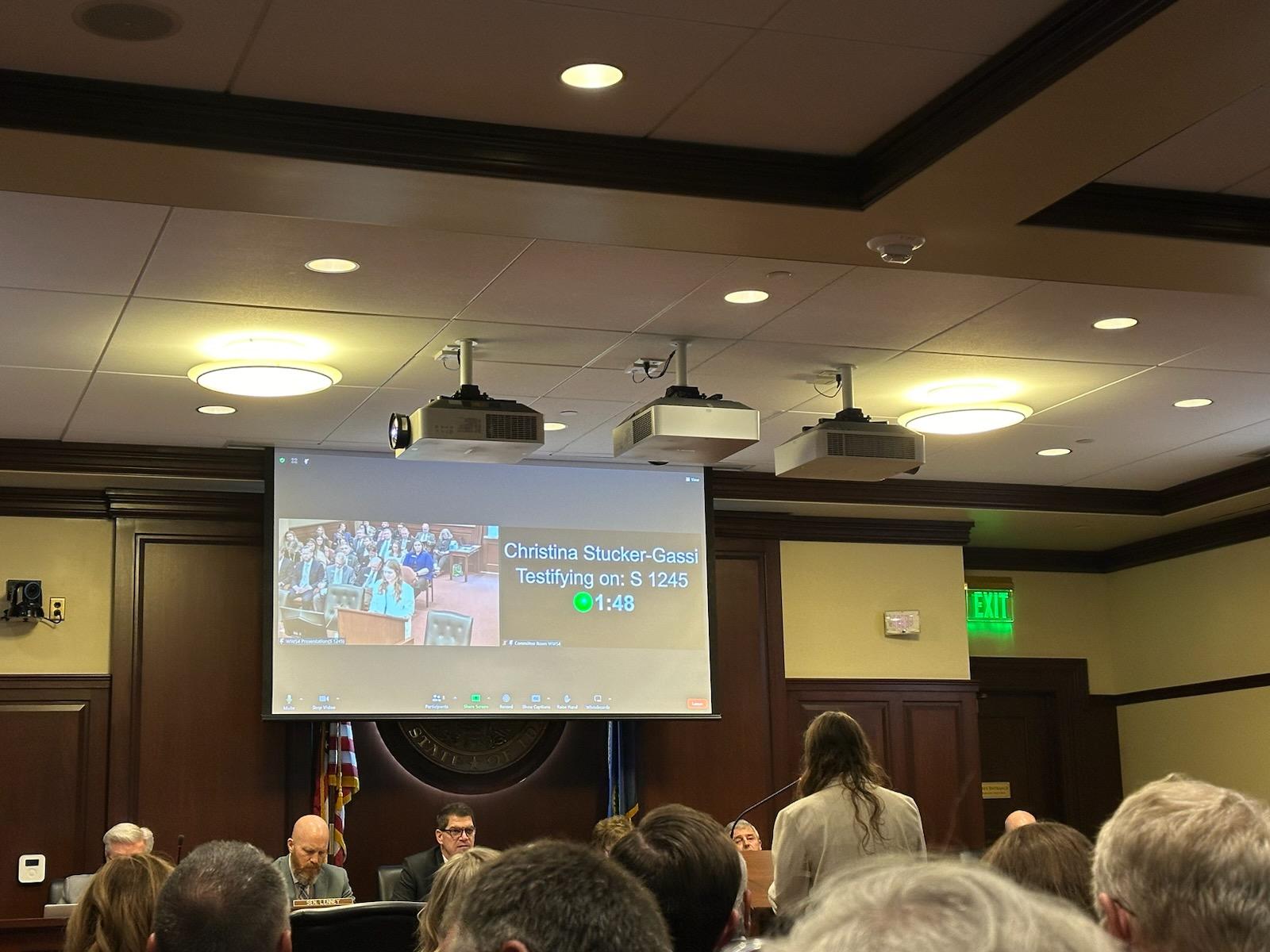
NCAP sounded the alarm that the pesticide industry is trying to make it harder for people to seek compensation through the courts if pesticides make them sick. State level legislation failed in 2024 and 2025. NCAP is also involved in making sure efforts to pass similar legislation nationally are not successful.
Do you like this page?